9 Factors to Consider When Choosing a Roofing Material

Selecting the right roofing material is crucial for ensuring long-term performance, durability, and aesthetic appeal. Here are nine key factors to consider when making your decision:
1. Climate
Consider the climate in your area, including temperature fluctuations, precipitation levels, and exposure to extreme weather events like hurricanes, hail, and snowstorms. Choose a roofing material that can withstand these conditions. For example, in Texas, materials resistant to hail and wind storms are vital.
2. Durability
Evaluate the durability and longevity of the roofing material. Some materials, such as asphalt shingles, may have a shorter lifespan compared to metal or tile roofs. Consider the expected lifespan of the material and its ability to resist damage from elements like wind, hail, and UV rays.
3. Cost
Determine your budget for roofing materials and installation. Different materials vary significantly in cost. It's essential to choose an option that fits within your budget constraints while still meeting your requirements for quality and durability.
4. Maintenance Requirements
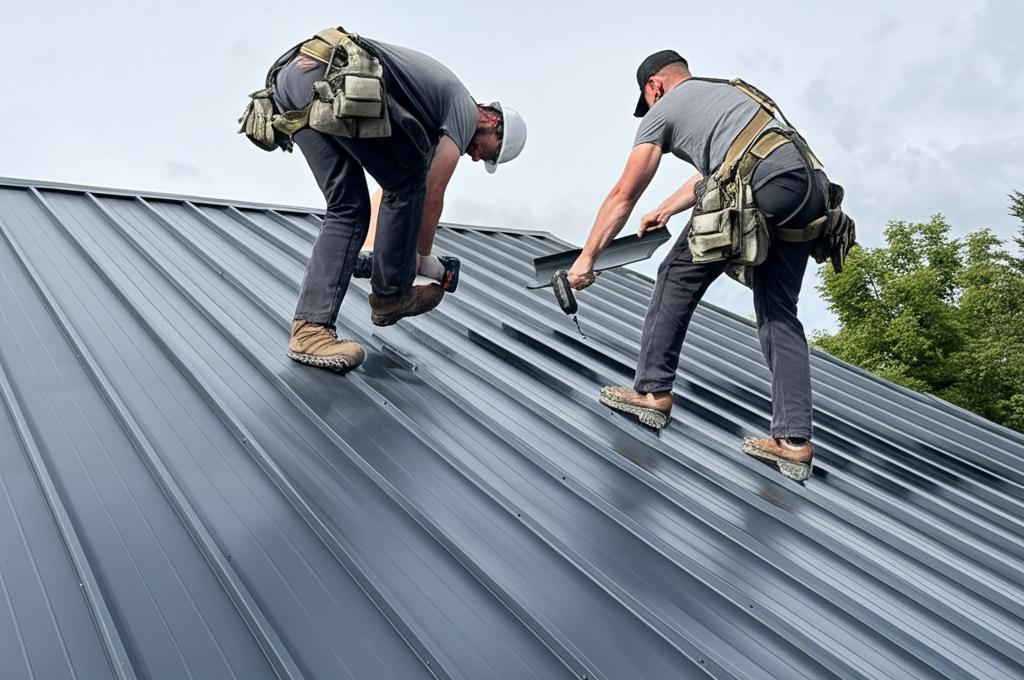
Consider the maintenance needs of the roofing material. Some materials may require regular inspections, cleaning, or repairs to maintain their integrity and performance. Others, like metal roofing, may require minimal maintenance over their lifespan.
5. Aesthetics
Take into account the architectural style of your home and your personal preferences for aesthetics. Choose a roofing material that complements the design of your home and enhances its curb appeal.
6. Weight
Consider the weight of the roofing material and whether your roof structure can support it. Some materials, like slate or tile, are heavier and may require additional structural support. Lighter materials, like asphalt shingles, are more versatile and easier to work with.
7. Energy Efficiency
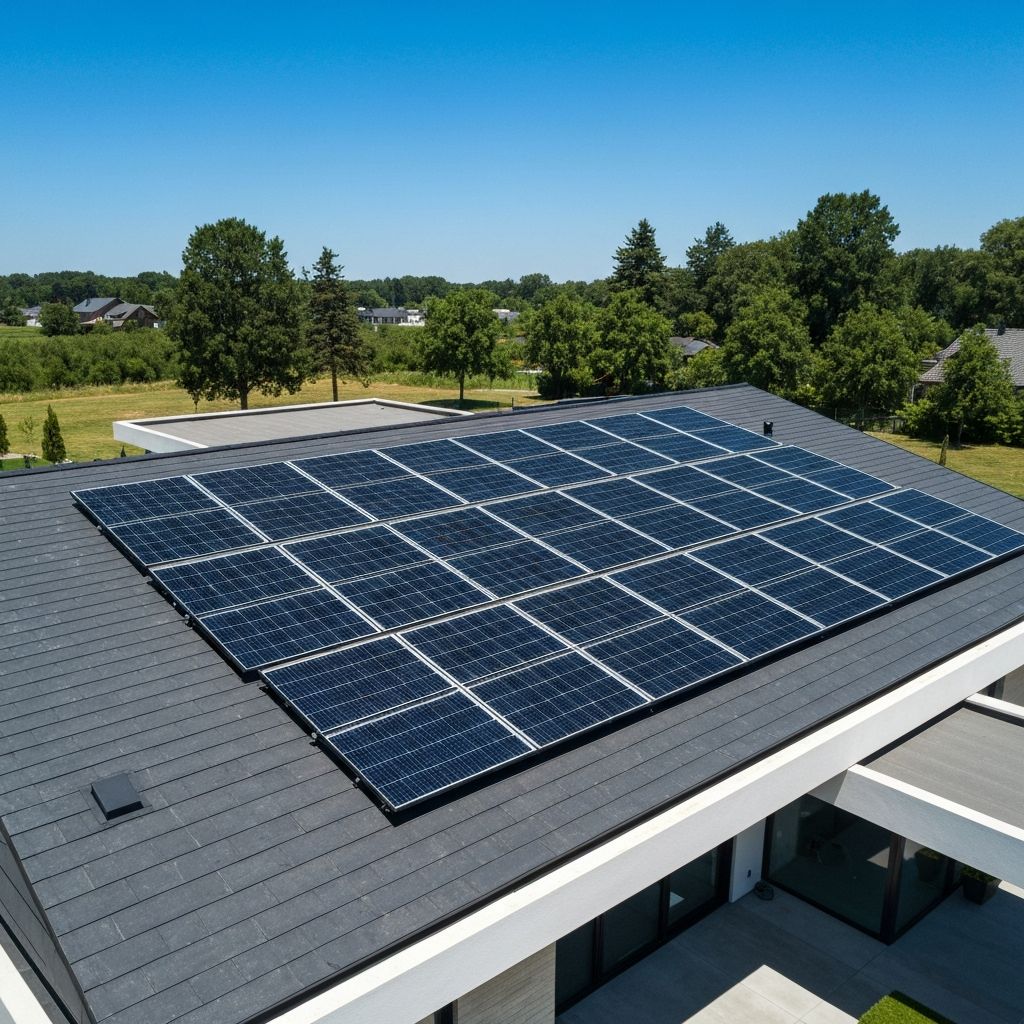
Evaluate the energy efficiency of different roofing materials, particularly if you're concerned about reducing your home's energy consumption and utility costs. Materials like metal roofing with reflective coatings can help improve energy efficiency by reducing heat absorption and air conditioning usage.
8. Environmental Impact
Assess the environmental impact of the roofing material, including its manufacturing process, recyclability, and potential for reducing your carbon footprint. Look for sustainable options made from recycled or eco-friendly materials that minimize environmental harm.
9. Local Regulations and Restrictions
Check local building codes, homeowner association rules, and any other regulations or restrictions that may affect your choice of roofing material. Ensure that the material you select complies with applicable requirements and guidelines in your area.
Conclusion
Choosing the right roofing material involves balancing several factors, from climate and durability to cost and aesthetics. Hive can provide expert advice on these factors to help you make an informed decision that meets your needs in terms of performance, durability, aesthetics, and budget.
By considering these aspects, you can ensure that your new roof will protect your home effectively while complementing its design and contributing to energy efficiency.
About Hive Team
Hive Team is a roofing expert at Hive Roofing and Solar with over 15 years of experience in the industry. He specializes in residential roofing and is passionate about helping homeowners protect their investments.
Need a Roof Inspection?
Our experts can assess your roof's condition and provide honest recommendations.
Get Free Estimate