Energy Efficient Roofing Options for Texas: Beat the Heat

Texas summers push air conditioning systems to their limits. Your roof plays a critical role in how hard your AC works—and how much you spend on cooling. The right roofing choices can significantly reduce energy consumption and improve indoor comfort. Here's what Texas homeowners need to know about energy-efficient roofing.
How Roofing Affects Energy Use
Your roof absorbs or reflects the sun's energy, directly impacting:
- Attic temperature: Dark roofs can heat attics to 150°F+ in Texas summer
- Heat transfer: Hot attics radiate heat into living spaces
- AC workload: Higher attic temperatures mean more cooling needed
- Comfort: Hot ceilings create uneven temperatures and hot spots
Studies show that energy-efficient roofing can reduce cooling costs by 10-25% in hot climates like Central Texas.
Cool Roof Technology
"Cool roofs" are designed to reflect more sunlight and absorb less heat than standard roofs. Key metrics include:
Solar Reflectance
The percentage of sunlight reflected away from the roof. Higher is better for hot climates:
- Standard dark shingle: 5-15% reflectance
- Cool shingle: 25-40% reflectance
- White/light surfaces: 60-90% reflectance
Thermal Emittance
How efficiently the roof releases absorbed heat. Most roofing materials have high emittance (0.85-0.95), which is beneficial in hot climates.
Solar Reflectance Index (SRI)
A combined measure that factors both reflectance and emittance. Higher SRI means better performance:
| Material | Typical SRI |
|---|---|
| Standard black shingle | 1-10 |
| Medium gray shingle | 15-25 |
| Cool asphalt shingle | 25-35 |
| Light metal roof | 50-80 |
| White membrane | 80-110 |
Energy-Efficient Roofing Materials
Cool Asphalt Shingles
Major manufacturers now offer "cool" versions of standard shingles:
- Specially designed granules that reflect infrared light
- Available in popular colors (not just white)
- May qualify for ENERGY STAR certification
- Cost: Similar to standard shingles (5-10% premium)
Products include GAF Timberline Cool Series and Owens Corning Duration Cool.
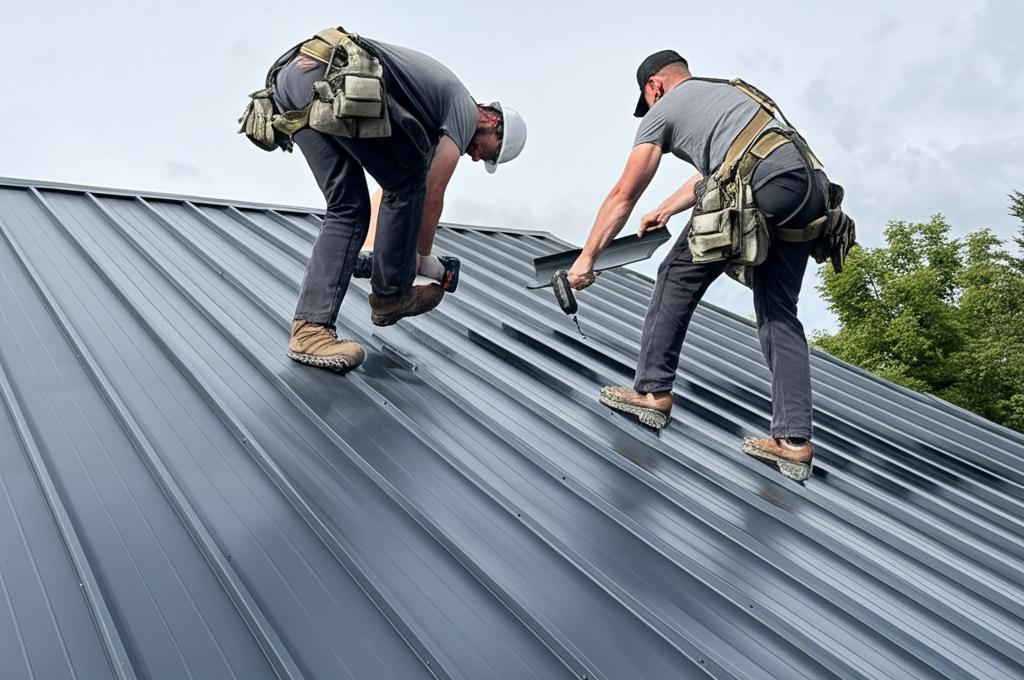
Metal Roofing
Metal roofs offer excellent energy performance:
- High reflectance, especially with light colors or special coatings
- Naturally high emittance releases heat quickly
- Above-sheathing ventilation (standing seam) adds air barrier
- Can reduce cooling costs 10-25%
- Lasts 50+ years, amortizing energy savings
Tile Roofing
Clay and concrete tiles offer natural energy benefits:
- Thermal mass helps moderate temperature swings
- Natural air space beneath tiles provides insulation
- Light-colored options reflect significant solar energy
- Best suited for homes with reinforced roof structures
Cool Roof Coatings
Existing roofs can be enhanced with reflective coatings:
- Applied to flat and low-slope roofs
- White or reflective pigmented coatings
- Can extend existing roof life while improving efficiency
- Requires proper surface preparation and maintenance
Attic Ventilation: The Hidden Factor
Even the best roofing materials can't perform optimally without proper ventilation. Texas code requires minimum ventilation, but maximizing airflow dramatically improves performance.
Balanced Ventilation System
- Intake (soffits): Cool air enters at the lowest point
- Exhaust (ridge): Hot air exits at the highest point
- Balance: Equal intake and exhaust for optimal flow
Ventilation Options
| Type | Benefits | Considerations |
|---|---|---|
| Ridge vent | Continuous exhaust, clean appearance | Must have adequate intake |
| Solar fans | Active cooling, no energy cost | May not work with ridge vents |
| Power vents | High capacity exhaust | Energy cost, may need thermostat |
| Soffit vents | Essential for intake | Often blocked by insulation |
Radiant Barriers
A radiant barrier installed in the attic can reduce heat transfer by 40%:
How They Work
- Reflective material (typically aluminum) installed on the underside of roof rafters
- Reflects radiant heat back toward the roof instead of into the attic
- Most effective in hot, sunny climates like Texas
- Works best with adequate attic ventilation
Installation Options
- Radiant barrier decking: OSB with reflective backing (new construction)
- Foil sheets: Stapled to underside of rafters (retrofit)
- Spray-on coating: Applied to underside of decking (retrofit)
Expected Savings
Radiant barriers typically reduce cooling costs by 5-10% in Texas. Combined with proper ventilation and cool roofing, total savings can reach 20-25%.
Insulation Considerations
While roofing focuses on what happens above the deck, insulation addresses what happens below:
- R-value: Texas code requires R-38 for attic insulation (approximately 10-14 inches of insulation)
- Air sealing: Sealing gaps where conditioned air can escape is as important as insulation depth
- Ductwork: HVAC ducts in attics should be well-insulated and sealed
Shingle Color Matters
Color choice significantly impacts roof temperature:
| Shingle Color | Surface Temperature (Hot Day) |
|---|---|
| Black | 160-170°F |
| Dark Brown | 150-160°F |
| Medium Gray | 140-150°F |
| Light Gray/Tan | 130-140°F |
| White/Cool | 110-125°F |
A 20-30°F difference in roof temperature translates directly to attic temperature and cooling loads.
Cost vs. Savings Analysis
Investment and returns for a typical 2,000 sq ft Central Texas home:
Cool Shingles
- Premium over standard: $500-$1,000
- Annual savings: $100-$200
- Payback: 3-8 years
Metal Roofing
- Premium over asphalt: $8,000-$15,000
- Annual savings: $200-$400
- Payback: Need to factor 50+ year lifespan vs. 2-3 shingle replacements
Radiant Barrier
- Installation cost: $500-$1,500
- Annual savings: $75-$150
- Payback: 4-12 years
Making the Right Choice
Consider these factors when planning your energy-efficient roof:
- Budget: Cool shingles offer the best value if budget is limited
- Longevity: Metal roofing makes sense if you plan to stay long-term
- HOA restrictions: Some HOAs limit color choices
- Current condition: Adding radiant barrier and ventilation works with any roof
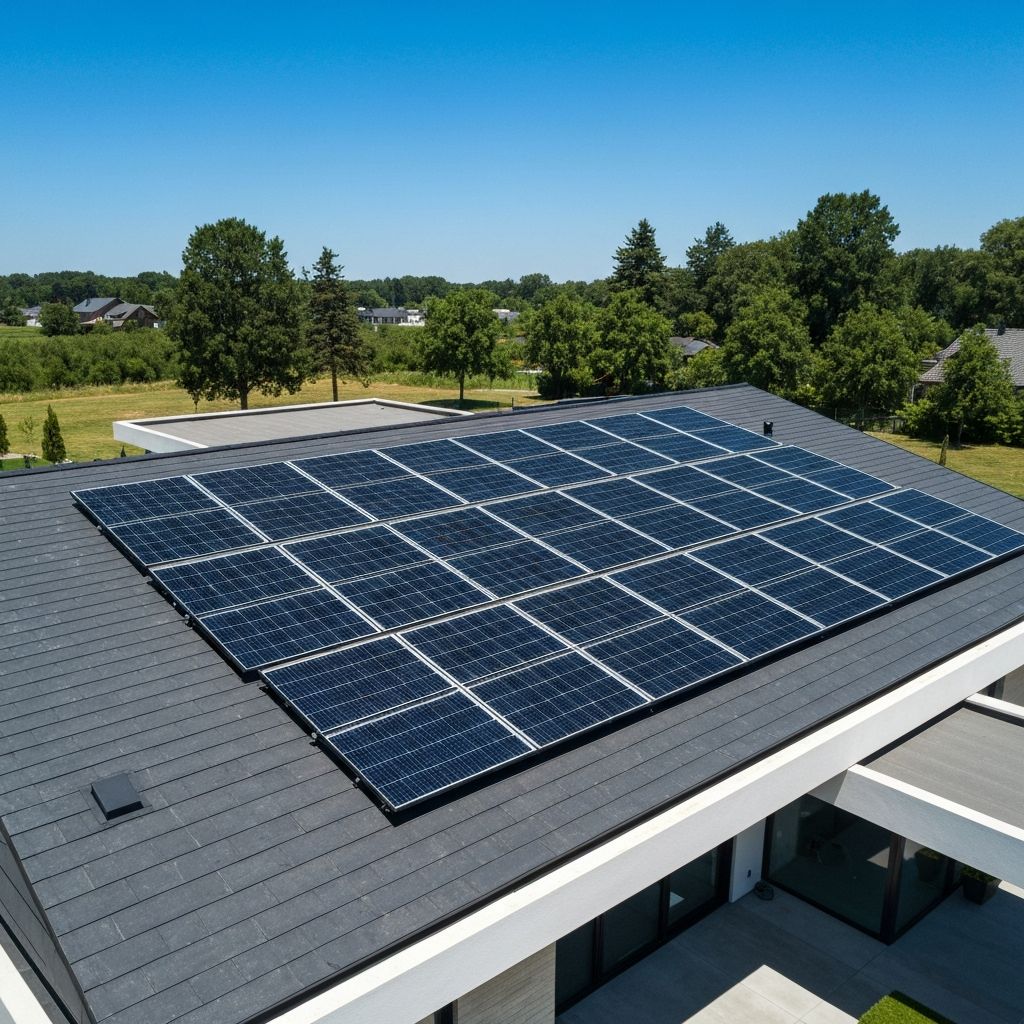
- Solar plans: If planning solar, coordinate roofing and panel installation
Energy-Efficient Roofing From Hive
At Hive Roofing, we help Central Texas homeowners choose roofing systems that balance performance, aesthetics, and budget. Whether you're interested in cool shingles, metal roofing, or maximizing your ventilation, we can recommend the right approach for your home. Contact us for a free consultation on energy-efficient roofing options.
About Hive Team
Hive Team is a roofing expert at Hive Roofing and Solar with over 15 years of experience in the industry. He specializes in residential roofing and is passionate about helping homeowners protect their investments.
Need a Roof Inspection?
Our experts can assess your roof's condition and provide honest recommendations.
Get Free Estimate